For anyone dreaming of sitting behind the controls of an aircraft, the path to earning a pilot license begins before ever leaving the runway. At DoubleDay Aviation in Greenville, South Carolina,
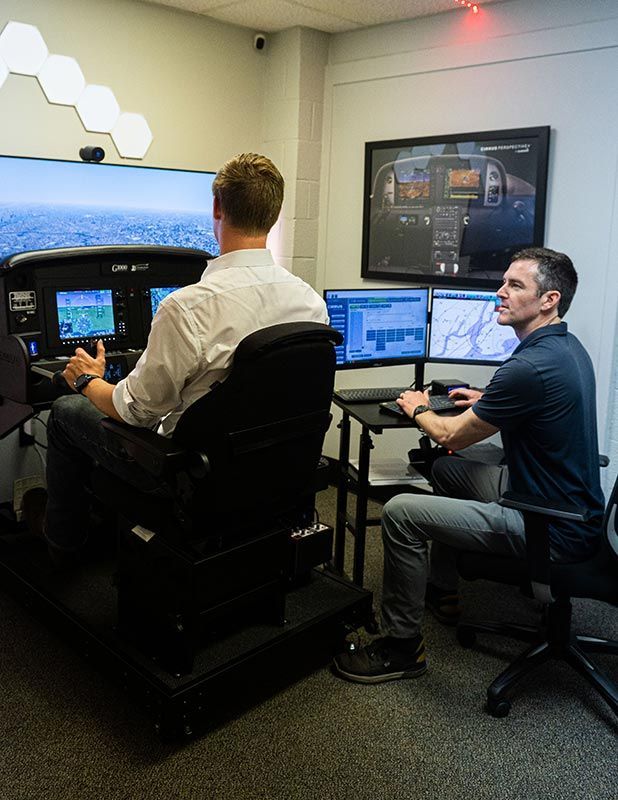
student aviators build core muscle memory and airmanship skills inside a modern flight simulator.
Ground training combined with simulator practice creates a smooth, controlled environment where students learn how airplanes handle, how to operate instrument panels, and how to navigate real world flying scenarios across Upstate South Carolina.
Understanding how these training devices work helps prospective pilots know what to expect when taking their first steps toward aviation mastery.
The Core Technology Behind Flight Simulation
Modern aviation simulators rely on advanced hardware and real time physics calculations to recreate true to life flight characteristics. Rather than relying on simple arcade style mechanics, flight training devices run complex aerodynamic algorithms that mimic lift, drag, thrust, and weight distribution.
Every input made to the flight controls calculates changes in air resistance, altitude, and momentum. When flying in a simulator around Greenville, software models local geography, regional airspace structures around Greenville Downtown Airport (GMU), and dynamic weather conditions like crosswinds, low visibility, or sudden turbulence over the Blue Ridge Mountains.
Anatomy of Small Aircraft Simulator Controls and Buttons
Small aircraft simulators mirror the exact layout of training aircraft such as Cirrus or Cessna models. Learning the layout of these controls on the ground allows students to build muscle memory before stepping into a physical cockpit.
Primary Flight Controls
The yoke or side yoke controls roll and pitch, moving the ailerons and elevators on the simulated aircraft. Pitch adjustments control airspeed, while bank angles coordinate turns. Rudder pedals at the feet operate the vertical tail surface, keeping turns coordinated and providing steering authority on the ground.
Power and Trim Controls
The throttle lever manages engine power output, controlling rate of climb or descent. Next to the throttle, flight simulators feature trim wheels or electric trim switches. Trim relieves control pressure on the yoke, allowing the airplane to maintain a steady attitude without continuous physical effort from the pilot.
Glass Panel Avionic Buttons and Knobs
Modern general aviation relies heavily on glass cockpits like Garmin avionics suites. Simulators include functional buttons, softkeys, and dual rotary knobs. The outer knob changes major values like megahertz or whole waypoint names, while the inner knob adjusts decimals or specific letters. Buttons like HDG (Heading Select), ALT (Altitude Hold), and NAV (Navigation Mode) allow students to program flight plans and operate integrated autopilot systems.
Flap Levers and Switch Panels
The flap selector switch controls trailing edge wing flaps to increase lift and drag during lower speed maneuvers. Dedicated switch panels house master battery switches, alternator toggles, fuel pump controls, magnetos, and exterior lighting switches.
Mastering Takeoff Procedures in the Simulator
Takeoff requires precise coordination between power management, rudder input, and pitch attitude.
During a simulated takeoff run, full power application creates engine torque and p-factor, which pulls the nose toward the left. Students learn to apply gentle right rudder pressure to keep the nose aligned with the runway centerline. As the aircraft reaches rotation speed, pulling back on the yoke smoothly lifts the nose to a climb pitch attitude.
The simulator allows instructors to freeze the motion at any second to explain airspeed indications, pitch control, and engine monitor gauges during initial climb out.
Practicing Precision Landings Without Actual Risk
Landing an airplane is often considered the most challenging skill for student pilots to master. It demands airspeed control, runway alignment, flare timing, and wind compensation.
In the simulator, trainees perform repeated traffic pattern circuits and touch and go maneuvers without spending extra fuel or incurring airframe wear.
The Approach Path
Students stabilize their descent rate by managing power settings and configuring flaps incrementally on downwind, base, and final approach legs.
The Flare and Touchdown
As the aircraft nears the runway threshold, the pilot transitions from a glide attitude into the flare by gently pulling back on the yoke. This maneuver bleeds off remaining airspeed while letting the main landing gear touch down first.
Managing Crosswinds
Simulator software creates realistic crosswinds across local runways, forcing trainees to practice wing low slip techniques to maintain tracking along the runway centerline right up to touchdown.
What Flight Simulators Are Designed to Teach You
Flight training devices are not just for practicing standard maneuvers. They serve as essential educational tools that form the backbone of a comprehensive ground training program. First, simulators provide complete system familiarization and cockpit flow mastery, allowing pilots to practice checklist procedures and flow patterns until locating any switch or gauge becomes second nature.
Second, they build total emergency readiness by offering a safe platform to practice severe scenarios like engine failures, electrical outages, or vacuum pump loss without endangering the flight crew or aircraft.
Third, simulators sharpen instrument flying skills by letting trainees practice flying solely by reference to instruments during low visibility conditions, mastering approach charts and radio navigation.
Finally, they offer cost effective skill building that builds confidence, shortens the overall learning curve, and maximizes the efficiency of every hour spent flying actual aircraft in the skies over South Carolina.
Begin Your Aviation Journey in Greenville, SC
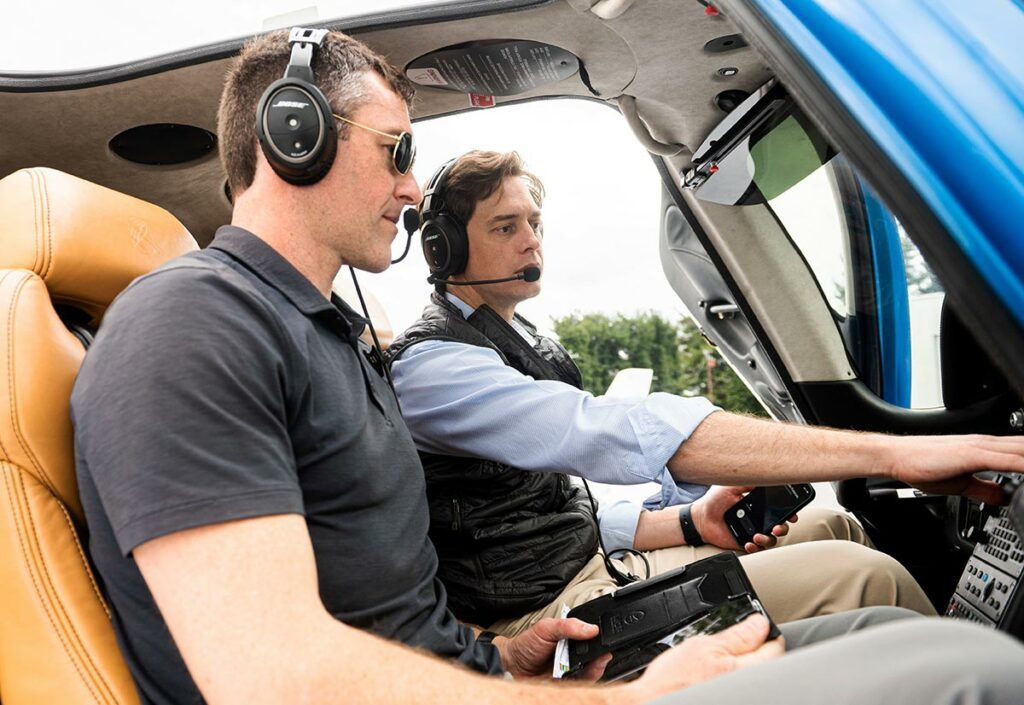
Ground instruction combined with simulator training gives future pilots a clear path toward earning a Private Pilot License or advancing their aviation qualifications. Located in the heart of Upstate South Carolina, DoubleDay Aviation provides hands-on flight training tailored to your goals. Contact DoubleDay Aviation today to tour our facility, learn about our ground training programs, and schedule your first lesson.